
Water Bugs: Ultimate Guide to Keeping Your Pool Clean
July 27, 2026
- When to Drain a Pool: The Essential Scenarios
- How to Drain Your Pool: Your Effortless Guide
- Considerations Before Draining
- Conclusion
When to Drain a Pool is a question that often arises for pool owners, yet the answer is almost always simpler than you might expect: rarely. For most routine maintenance and smaller issues, a full drain is unnecessary and, in some cases, even detrimental. However, there are indeed specific, essential scenarios where emptying your pool is not only recommended but crucial. Understanding these situations, and the proper procedure for handling them, can save you time, money, and potential headaches.
Many pool owners operate under the misconception that a pool needs to be drained annually, or even every few years, for a deep clean. This couldn’t be further from the truth. Modern pool filtration systems, combined with proper chemical balancing and regular maintenance, are designed to keep the water pristine for extended periods. Draining a pool unnecessarily can expose the pool shell or liner to environmental stressors like groundwater pressure or harsh sunlight, potentially leading to cracks, delamination, or liner floating. Furthermore, the cost of refilling, re-balancing chemicals, and the sheer volume of water used makes it an endeavor to approach with careful consideration.
When to Drain a Pool: The Essential Scenarios
Despite the general advice against routine draining, there are valid and important reasons why you might need to completely empty your pool. These situations typically fall into one of the following categories:
1. Major Repairs or Resurfacing: This is perhaps the most common and undeniable reason to drain a pool. If your pool has significant structural cracks, needs a full plaster resurfacing, or requires a complete vinyl liner replacement, the water simply has to go. These extensive renovations cannot be performed safely or effectively with water in the pool.
2. Severe Algae Bloom or Chemical Imbalance: While most algae issues can be resolved with shocking and brushing, an extreme, persistent black algae invasion or a chemical imbalance that has gone utterly beyond correction (e.g., incredibly high cyanuric acid levels, or a perfect storm of chemical errors) might necessitate a drain. This is usually a last resort, however, as even the most stubborn algae often succumbs to aggressive treatment protocols.
3. Excessive Total Dissolved Solids (TDS): Over time, minerals, salts, and other organic matter accumulate in your pool water, leading to what’s known as Total Dissolved Solids. While a certain level is normal, extremely high TDS (typically >1500-2000 ppm above tap water levels) can make your chemicals less effective, lead to cloudy water, and even cause premature wear on your equipment. If regular backwashing and partial drains aren’t enough to bring TDS down, a full drain and refill might be the only way to “reset” your pool’s chemistry.
4. Pool Relocation or Major Renovation: If you’re undertaking a complete backyard overhaul that involves moving or significantly altering the pool’s structure, draining is a prerequisite. Similarly, if you’re installing new features like steps, benches, or a spa that integrate into the main pool structure, emptying the pool will likely be necessary.
How to Drain Your Pool: Your Effortless Guide
Once you’ve determined that draining is truly necessary, understanding how to drain your pool safely and efficiently is paramount. This isn’t a task to jump into without preparation.
1. Check Local Regulations: Before you even think about releasing hundreds (or thousands) of gallons of water, check with your local municipality or homeowner’s association. There might be specific regulations regarding where and how pool water can be discharged, especially concerning chemicals like chlorine that can harm local ecosystems. Some areas require dechlorination before discharge.
2. Gather Your Equipment:
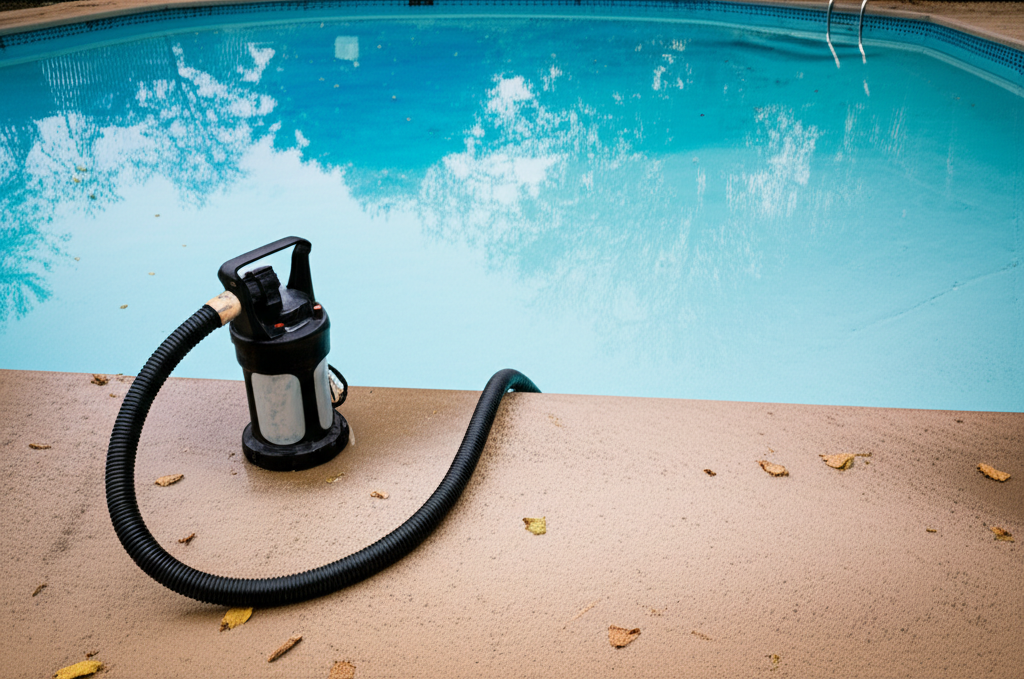
Submersible Pump: This is essential. A standard filter pump isn’t designed for this task, and a good submersible pump can drain your pool much faster.
Discharge Hoses: You’ll need enough length to direct the water to an approved drainage area (e.g., a storm drain, a gravel pit, or your lawn if allowed). Ensure they are sturdy and don’t kink.
Safety Gear: Gloves and eye protection are always a good idea.
3. Prepare the Pool and Area:
Turn Off Power: Before anything else, shut off all electrical power to your pool equipment – pump, heater, lights, automatic cleaner. This prevents damage to the equipment if it runs dry and removes any electrical hazards.
Clear Debris: Skim out any large debris, leaves, or obvious sediment from the surface of the water. This prevents your pump from clogging.
Plan Your Discharge Point: Identify where the water will safely and legally exit your property. If draining onto your lawn, ensure it won’t flood your or your neighbor’s property.
4. The Draining Process:
Position the Pump: Place the submersible pump at the deepest part of your pool. Connect your discharge hoses securely.
Start Draining: Plug in the pump. It will begin to remove water.
Monitor Carefully: Stay present during the draining process. Once the water level starts to drop significantly, pay close attention to your pool’s structure, especially if you have a vinyl liner or live in an area with a high water table.
Hydrostatic Pressure (for In-Ground Pools): For plaster or concrete pools, hydrostatic relief valves are usually installed in the deep end. These valves allow groundwater pressure to equalize, preventing the pool shell from popping out of the ground when empty. For vinyl liner pools, high groundwater can cause the liner to float or shift once the pool is empty. If you notice the liner bulging or shifting, immediately pause draining and consult a professional.
Vinyl Liner Pools: Be extra cautious with vinyl liners. Avoid draining them unnecessarily, and if you must, do it quickly and refill immediately to prevent the liner from shrinking, cracking, or floating. Never leave a vinyl-lined pool empty for extended periods, especially in direct sunlight.
5. Post-Draining Steps:
Immediate Action: Once drained, proceed with the necessary repairs, cleaning, or resurfacing promptly.
Refilling: When refilling, it’s crucial to do so at a steady pace. For plaster pools, a common strategy is to fill it about 6-12 inches, allow it to dry slightly, and then continue filling to prevent cracking known as “bathtub rings.” For vinyl pools, begin refilling as soon as repairs are done. Do not leave a vinyl pool empty for more than a few hours if possible.
Considerations Before Draining
Before draining, always consider:
Weather: Avoid draining on extremely hot, sunny days (which can damage plaster or vinyl) or during heavy rain (which can complicate hydrostatic pressure issues).
Cost: Factor in the cost of water, replacement chemicals, and your time.
Professional Help: If you’re unsure about any step, particularly concerning hydrostatic pressure or extensive repairs, hire a professional pool service. Their expertise can prevent costly mistakes.
Conclusion
While the allure of a “fresh start” might tempt you to drain your pool frequently, remember that When to Drain a Pool truly boils down to only a handful of critical situations. For most pool issues, a targeted approach of chemical balancing, filtration, and partial water replacement will suffice. Reserve the full drain for major repairs, overwhelming chemical imbalances, or excessively high TDS. By understanding these essential guidelines and following the proper draining procedures, you can ensure your pool remains a source of enjoyment, not a cause for concern.