Pool Stains: Eradicate Ugly Organic & Metal Stains
July 22, 2026
Pool Light Repair: Quick & Easy Bulb Replacement
July 25, 2026

- What is Pool Plaster Delamination?
- Why Does Pool Plaster Delamination Occur? Identifying the Root Causes
- Poor Workmanship and Application Techniques
- Chemical Imbalance and Water Chemistry
- Structural Issues
- Aging Plaster
- The Costly Consequences of Delamination
- Preventing Pool Plaster Delamination: Best Practices
- Choose a Reputable Pool Contractor
- Maintain Pristine Water Chemistry
- Proper Curing and Initial Startup
- Regular Inspections
- Addressing Existing Delamination: Repair Options
Pool Plaster Delamination is a concern that can plague pool owners, transforming a pristine aquatic haven into a mosaic of aesthetic and structural issues. It’s a costly problem, causing not only visible damage but also potentially leading to more extensive and expensive repairs if not addressed promptly and correctly. Understanding what delamination is, why it occurs, and how to prevent it is crucial for maintaining the longevity and beauty of your swimming pool.
What is Pool Plaster Delamination?
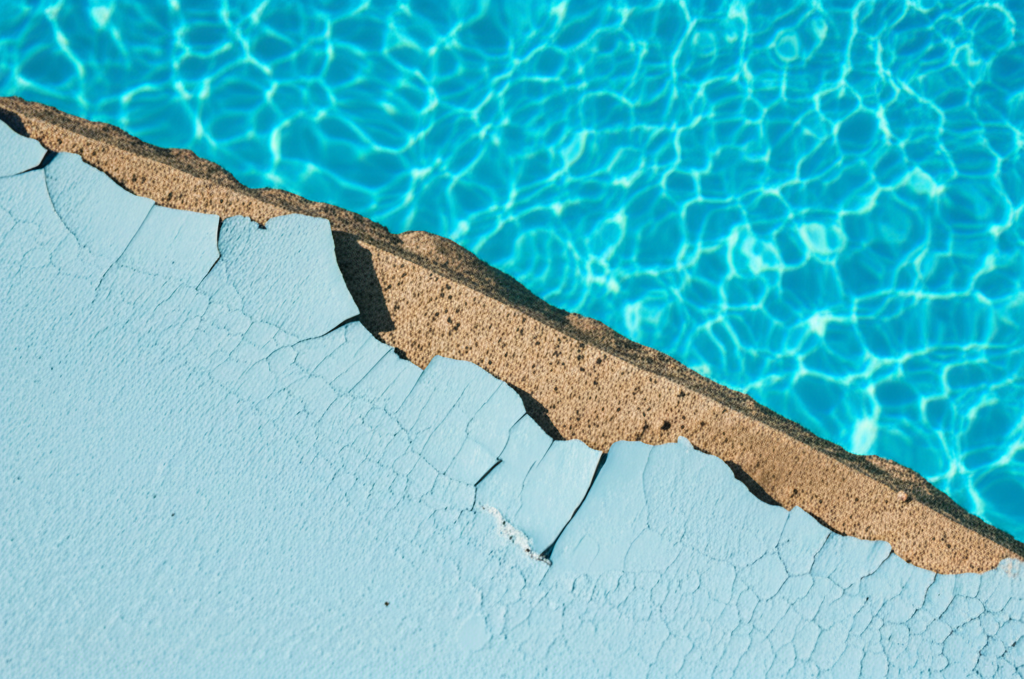
At its core, delamination refers to the separation of one layer from another. In the context of swimming pools, pool plaster delamination specifically describes the detachment of the plaster finish layer from the underlying concrete shell (either gunite or shotcrete). Imagine the outer skin of an onion peeling away, or a layer of paint bubbling and flaking off a wall – this is analogous to what happens when plaster delaminates.
This separation creates hollow voids or pockets between the plaster and the shell. Over time, these pockets can expand, causing the plaster to crack, chip, or flake off entirely, exposing the rough surface beneath. Visually, you might notice raised areas, bubbles, or sections where the plaster sounds hollow when tapped – often referred to as the “thump test” by professionals. These areas are not only unsightly but also indicate a weakened finish that is vulnerable to further deterioration.
Why Does Pool Plaster Delamination Occur? Identifying the Root Causes
Several factors, often working in conjunction, can contribute to the onset of pool plaster delamination. Pinpointing the exact cause is vital for effective repair and prevention.
Poor Workmanship and Application Techniques
One of the most significant contributors to delamination is substandard plaster application. This can include:
Inadequate Surface Preparation: The concrete shell must be clean, free of dust, debris, and oils, and properly moistened before plaster is applied. A dry, dirty, or improperly prepared surface prevents a strong bond.
Improper Plaster Mix: Incorrect ratios of cement, aggregate, and water can compromise the plaster’s strength and adhesion properties.
Application in Extreme Conditions: Applying plaster in very hot or cold weather, or under direct sunlight, can affect its curing process and bond strength.
Insufficient Bond Coat: In some cases, a bonding agent is applied to the shell to enhance adhesion, and if this is insufficient or improperly applied, it can lead to delamination.
Chemical Imbalance and Water Chemistry
The water circulating in your pool is a powerful solvent. If not properly balanced, it can become corrosive or “aggressive,” actively dissolving minerals from the plaster.
Low pH and Alkalinity: Water with a low pH (acidic) and low total alkalinity is highly corrosive and can etch the plaster surface, weakening its bond over time.
High Calcium Hardness: While less direct, extremely high calcium hardness can lead to scaling, which might initially appear to be a problem with the plaster itself, but can also contribute to stress and eventual detachment.
Erratic Chemical Fluctuations: Frequent and drastic swings in chemical levels put immense stress on the plaster, accelerating its breakdown.
Structural Issues
While less common, underlying structural problems with the pool shell can also manifest as delamination.
Ground Movement: Shifting soil, expansive clay, or seismic activity can cause the concrete shell to move or crack, placing stress on the plaster and leading to separation.
Foundation Problems: Issues with the pool’s foundation can also introduce stresses that propagate through the shell to the plaster layer.
Aging Plaster
Even with perfect installation and maintenance, plaster has a finite lifespan, typically 10-20 years depending on the type and usage. Over decades, gradual wear and tear, combined with continuous exposure to water and chemicals, will naturally weaken the bond and integrity of the plaster.
The Costly Consequences of Delamination
Ignoring delamination can lead to a cascade of problems, each with a financial implication:
Expensive Repairs: Small patches can be done, but if delamination is widespread, a full replastering or resurfacing job becomes necessary – a significant investment.
Water Loss: Cracks and voids can allow water to seep behind the plaster, potentially leading to unseen leaks and higher water bills.
Compromised Aesthetics: Delaminated areas are visually unappealing, detracting from the beauty and value of your swimming pool and property.
Further Structural Damage: While not always direct, prolonged water penetration behind the plaster could theoretically contribute to more significant structural issues over a long period.
Safety Hazards: Sharp edges from flaking plaster can pose a minor injury risk to swimmers.
Preventing Pool Plaster Delamination: Best Practices
Prevention is always better, and far less expensive, than cure. By adopting best practices, you can significantly reduce the risk of your pool developing delamination.
Choose a Reputable Pool Contractor
The initial installation is paramount.
Research and Verify: Select a licensed, insured, and experienced pool plastering contractor with a strong track record and excellent references.
Understand the Process: Ensure they follow industry best practices for surface preparation, material mixing, and application techniques.
Quality Materials: Inquire about the quality of plaster materials they intend to use.
Maintain Pristine Water Chemistry
This is arguably the most crucial ongoing preventative measure.
Regular Testing: Test your pool water at least 2-3 times a week, especially in heavy usage or fluctuating weather. Use reliable test kits or strips.
Balance Key Levels: Maintain pH (7.4-7.6), total alkalinity (80-120 ppm), and calcium hardness (200-400 ppm) within their recommended ranges.
Avoid Aggressive Water: Do not allow your water to remain low in pH or alkalinity for extended periods.
Proper Curing and Initial Startup
After new plaster is applied, the first few weeks are critical for its long-term integrity.
Follow Contractor Instructions: Adhere strictly to your plastering contractor’s guidelines for filling the pool, startup chemicals, and initial brushing.
Avoid Draining: Unless specifically advised, avoid draining a newly plastered pool for at least a year.
Regular Inspections
Be vigilant and routinely inspect your pool’s surface.
Look and Listen: Periodically check for any visual anomalies like bubbles, cracks, or discoloration. Perform the “thump test” occasionally, tapping lightly on the plaster with a blunt object (like a plastic hammer or the butt of a screwdriver) and listening for hollow sounds, which indicate delamination.
Address Issues Early: The sooner you detect a problem, the easier and less costly it will be to remedy.
Addressing Existing Delamination: Repair Options
If you discover pool plaster delamination, immediate action can mitigate further damage.
Small, Isolated Areas: For minor, localized delamination, a skilled professional might be able to patch the affected area. This typically involves grinding out the loose plaster, preparing the surface, and applying new plaster with a bonding agent. The challenge is often matching the color and texture of the existing plaster.
Widespread Delamination: If the delamination is extensive or covers large sections of the pool, a full replastering or resurfacing might be the only viable solution. This involves draining the pool, removing the old plaster, and applying a completely new finish. This presents an opportunity to upgrade to a more durable finish like quartz or pebble tech, if desired.
* Consult a Professional: Always consult with an experienced pool repair specialist. They can accurately diagnose the extent of the delamination, identify the underlying cause, and recommend the most effective and lasting repair strategy. Attempting DIY repairs without proper knowledge can often exacerbate the problem.
In conclusion, maintaining a beautiful and functional swimming pool requires diligence, especially when it comes to preventing and addressing issues like pool plaster delamination. By understanding its causes, prioritizing quality workmanship, meticulously balancing your water chemistry, and performing regular inspections, you can protect your investment and ensure years of worry-free enjoyment in your aquatic retreat.