Skimmer Equalizer: Essential for Perfect Water Level
July 1, 2026
Virginia Graeme Baker Act: Crucial & Easy Compliance
July 5, 2026
- The Silent Threat: Why Vigilance is Key
- Core Principles of Drowning Prevention
- 1. Constant, Active Supervision
- 2. Learn How to Swim
- 3. Install Proper Barriers and Alarms
- 4. Wear U.S. Coast Guard Approved Life Jackets
- 5. Know CPR and Basic First Aid
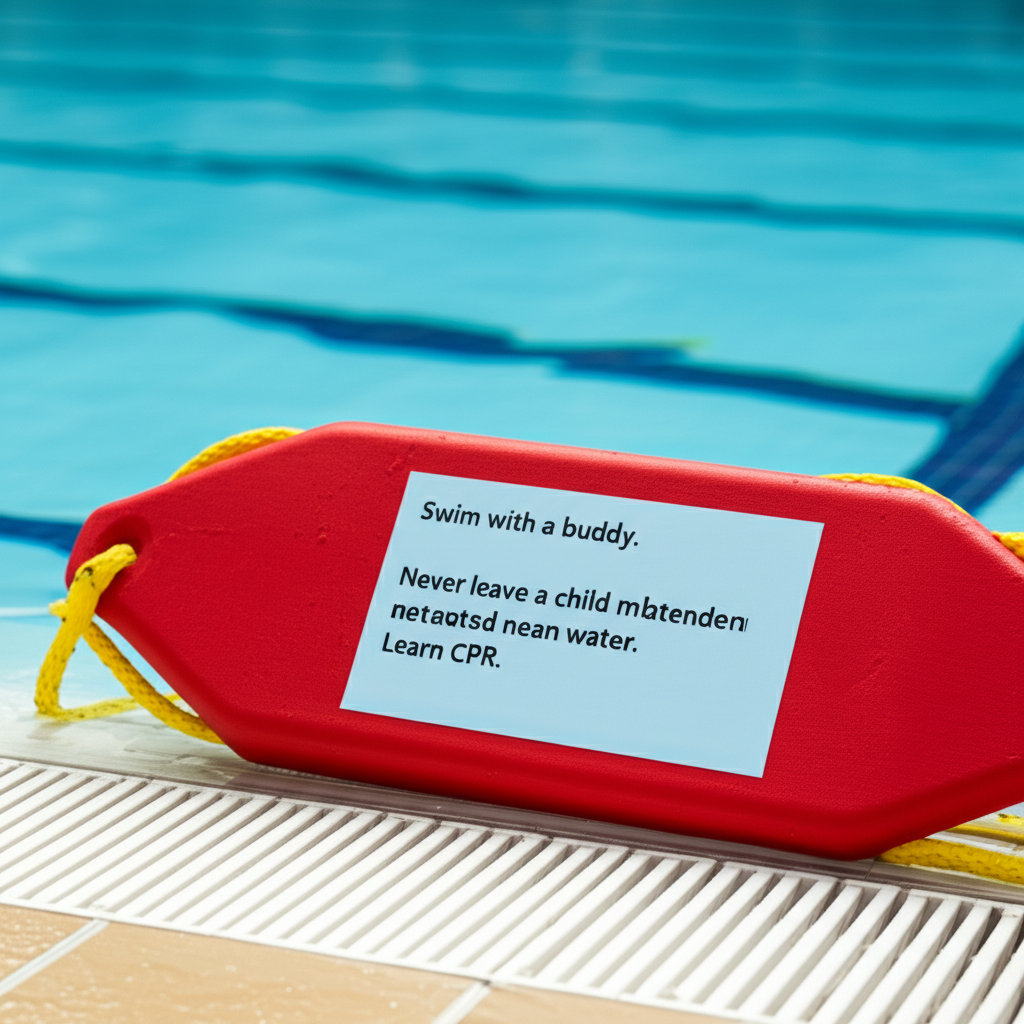
- 6. Swim with a Buddy and Never Swim Alone
- 7. Be Aware of Natural Hazards
- Drowning Prevention: The Power of Proactivity
Drowning Prevention is a critical topic that every individual, family, and community must prioritize. While water offers endless opportunities for recreation and relaxation, it also poses significant risks if not approached with the highest level of caution and respect. Drowning is often silent, swift, and catastrophic, making proactive measures not just advisable, but absolutely essential. Understanding and implementing essential lifesaving rules can mean the difference between enjoying a fun day by the water and facing an unthinkable tragedy.
Globally, drowning remains a leading cause of accidental death, particularly among young children. It’s a preventable tragedy, yet it continues to claim lives due to lapses in supervision, lack of safety barriers, and insufficient swimming skills. The good news is that with diligence, education, and adherence to proven water safety principles, we can dramatically reduce these heartbreaking statistics. This article outlines the fundamental rules designed to keep you and your loved ones safe around any body of water.
The Silent Threat: Why Vigilance is Key
Many people envision a drowning person dramatically flailing and crying for help, but the reality is starkly different. Drowning is typically a non-verbal, silent event. A person, especially a child, may slip beneath the surface without a splash or a scream, their body instinctively focusing on breathing rather than calling out. This silent nature underscores why constant, undistracted supervision is paramount. Every second counts, and recognizing the subtle signs of distress – like gasping, head back with mouth open at water level, or an inability to move forward – is vital.
Core Principles of Drowning Prevention
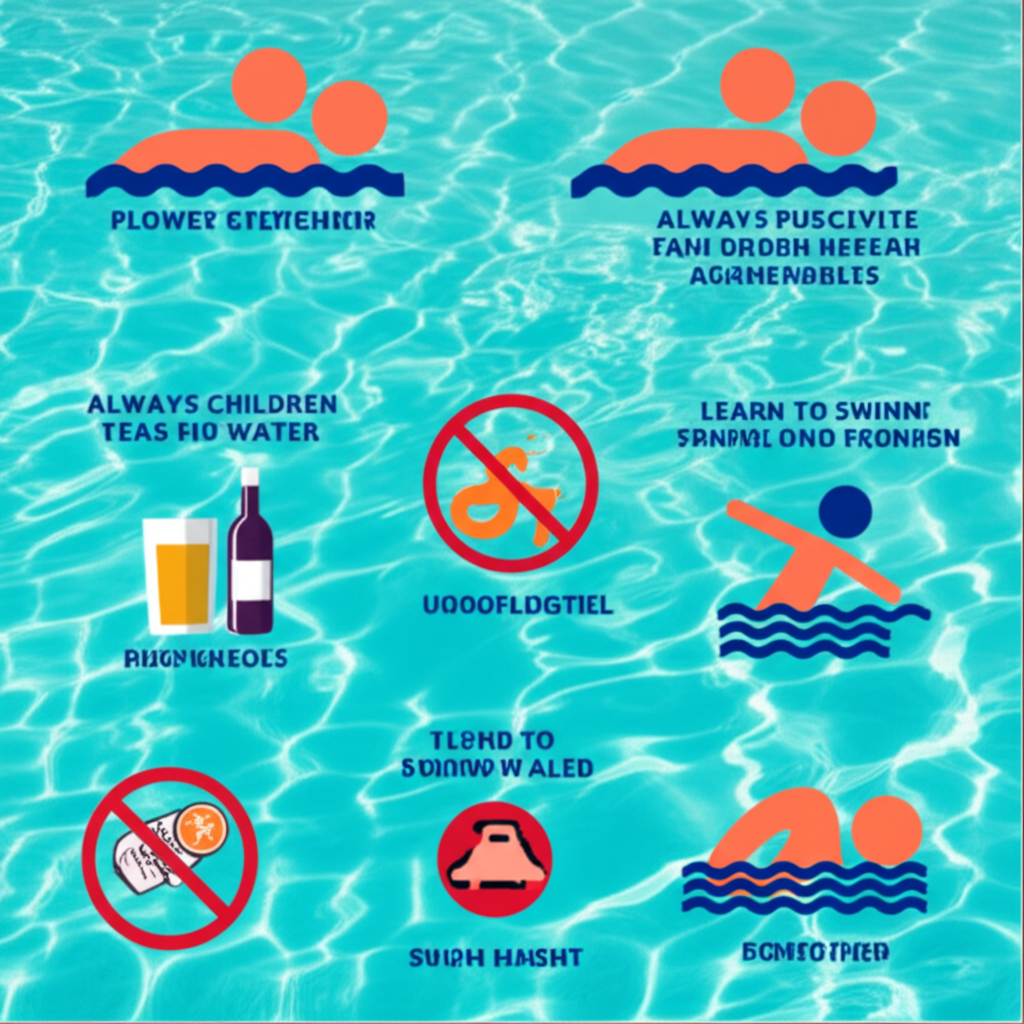
Adopting a “layered approach” to safety is the most effective strategy. No single measure guarantees safety, but combining several layers offers robust protection.
1. Constant, Active Supervision
This is arguably the most critical rule, especially for children.
Designate a Water Watcher: When children are in or around water, designate a responsible adult whose ONLY job is to watch the children. This person should not be distracted by phones, books, conversations, or household tasks. They should ideally wear a “Water Watcher” tag or vest to make their role clear.
Touch Supervision for Young Children: Infants and toddlers should always be within arm’s reach of an adult when near water. Even a few inches of water can be deadly for a small child.
Never Leave Children Unattended: A quick dash inside for a towel or phone call is enough time for a tragedy to occur. Drowning can happen in seconds.
2. Learn How to Swim
Swimming lessons are a foundational layer of protection for everyone.
Lessons for All Ages: Enroll children in age-appropriate swim lessons as soon as they are ready, typically around age one. Adults who are not strong swimmers should also consider lessons.
Not Drown-Proof: While swimming skills are vital, they do not make anyone “drown-proof.” Even strong swimmers can get into trouble due to exhaustion, injury, or unexpected currents. Lessons are a critical skill-builder, not a substitute for supervision.
3. Install Proper Barriers and Alarms
Physical barriers create a crucial separation between children and potential water hazards.
Four-Sided Fencing: Pools should be surrounded by a four-sided fence that is at least four feet high, with self-closing and self-latching gates that open outward. The latch should be out of a child’s reach.
Door and Pool Alarms: Install alarms on doors and windows leading to pool areas, as well as alarms that detect water disturbance.
Empty Inflatable Pools: Inflatable pools, buckets, and bathtubs should be emptied immediately after use. Even small amounts of water can be dangerous.
4. Wear U.S. Coast Guard Approved Life Jackets
Life jackets are essential lifesaving devices, especially in open water or for weak swimmers.
Proper Fit: Ensure life jackets are U.S. Coast Guard approved and fit snugly. They should not ride up around the ears or chin.
Boating and Open Water: Anyone on a boat, jet ski, or engaging in open water activities like kayaking or paddleboarding should wear a life jacket.
Non-Swimmers/Weak Swimmers: Any person who cannot swim or is a weak swimmer should wear a life jacket anytime they are near or in water.
5. Know CPR and Basic First Aid
Immediate intervention in a water emergency can dramatically improve outcomes.
Learn CPR: All adults, especially parents, caregivers, and pool owners, should be trained in CPR (Cardiopulmonary Resuscitation) and basic first aid.
Time is Critical: In drowning incidents, brain damage can occur rapidly without oxygen. Delivering CPR immediately after rescue can save a life or prevent long-term disability.
6. Swim with a Buddy and Never Swim Alone
Especially in open water, having a companion is a fundamental safety measure.
Buddy System: Always swim with another person. If one person gets into trouble, the other can provide immediate assistance or call for help.
Supervised Locations: Choose swimming locations with lifeguards whenever possible.
7. Be Aware of Natural Hazards
Open water environments present unique challenges that require additional vigilance.
Currents and Undertows: Be aware of currents in oceans, rivers, and lakes. Learn to recognize and avoid rip currents.
Depths and Obstacles: Always check the depth of the water before entering or diving, especially in unfamiliar areas. Hidden rocks or debris can cause serious injury.
Weather Conditions: Thunderstorms, strong winds, or sudden drops in temperature can make water activities dangerous.
Drowning Prevention: The Power of Proactivity
Effective drowning prevention is a combination of awareness, education, and consistent application of safety rules. It’s a shared responsibility that extends beyond parents to community leaders, pool operators, and even friends. By actively embracing these essential rules, we create safer environments for everyone to enjoy the water responsibly.
Always lead by example, ensure proper safety equipment is in place, and never underestimate the potential dangers of water. Prioritizing water safety equips us with the knowledge and tools to prevent tragedies, fostering a culture where enjoyment and security go hand-in-hand. Let’s commit to making every water experience a safe one.