Automatic Pool Covers: Stunning & Effortless
May 29, 2026
Diving Board: Ultimate Safe Jumps & Pool Fun
June 2, 2026
- The Unsung Hero of Pool Safety: Why Proper Pool Ladders Matter
- Exploring Different Types of Pool Ladders
- In-Ground Pool Ladders
- Above-Ground Pool Ladders
- Features for Effortless In-Pool Entry and Exit
- Choosing the Right Ladder for Your Pool
- Maintaining Your Pool Ladder for Longevity and Safety
- Beyond Ladders: Other Pool Entry Solutions
- Conclusion
Pool Ladders: More than just a simple accessory, they are the vital link between your deck and the refreshing waters of your swimming pool. Often overlooked, the right pool ladder transforms your swimming experience, making in-pool entry and exit not just convenient, but profoundly safe and effortless. For many pool owners, especially those with above-ground pools or in-ground pools without built-in steps, a high-quality ladder is a non-negotiable component for ensuring accessibility and peace of mind for all swimmers.
Whether you’re hosting a lively pool party, enjoying a quiet morning swim, or providing access for children and older adults, the design and stability of your pool entry system play a critical role. This article delves into the world of pool ladders, exploring their importance, types, features, and how to select the perfect one to enhance the safety and enjoyment of your aquatic oasis.
The Unsung Hero of Pool Safety: Why Proper Pool Ladders Matter
Safety is paramount when it comes to any water activity, and the pathway into and out of the pool is often where accidents can occur. Slippery decks, uneven surfaces, or unstable entry points can lead to slips, falls, and serious injuries. This is precisely where well-designed pool ladders prove their worth.
A robust and properly installed ladder provides a secure handhold and stable steps, reducing the risk of accidents. For families with young children, a ladder that can be secured or even flipped up (in the case of some above-ground models) adds an extra layer of protection, preventing unsupervised access. Similarly, for older adults or individuals with mobility challenges, wide, non-slip steps and sturdy handrails offer the confidence and assistance needed for independent use, greatly enhancing their ability to enjoy the pool. Beyond daily use, a reliable ladder also serves as a critical exit point in emergencies, allowing for quick evacuation if needed.
Exploring Different Types of Pool Ladders
The market offers a diverse range of pool ladders, each designed to cater to specific pool types and user needs. Understanding these variations is the first step in making an informed decision.
In-Ground Pool Ladders
Typically made from durable stainless steel or heavy-duty resin, these ladders attach directly to the pool deck and extend into the water.
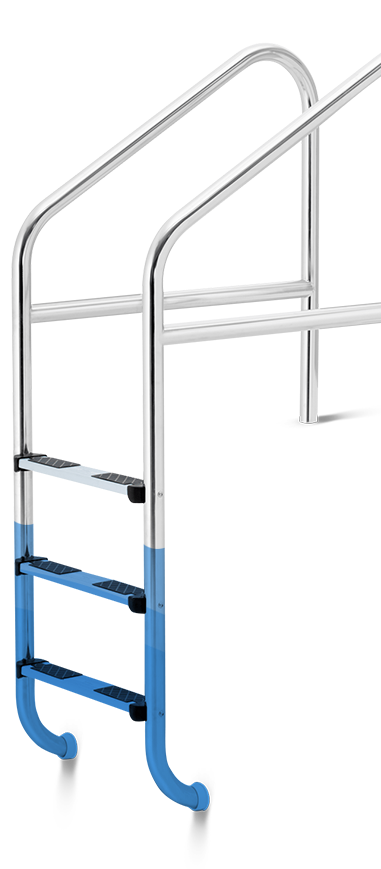
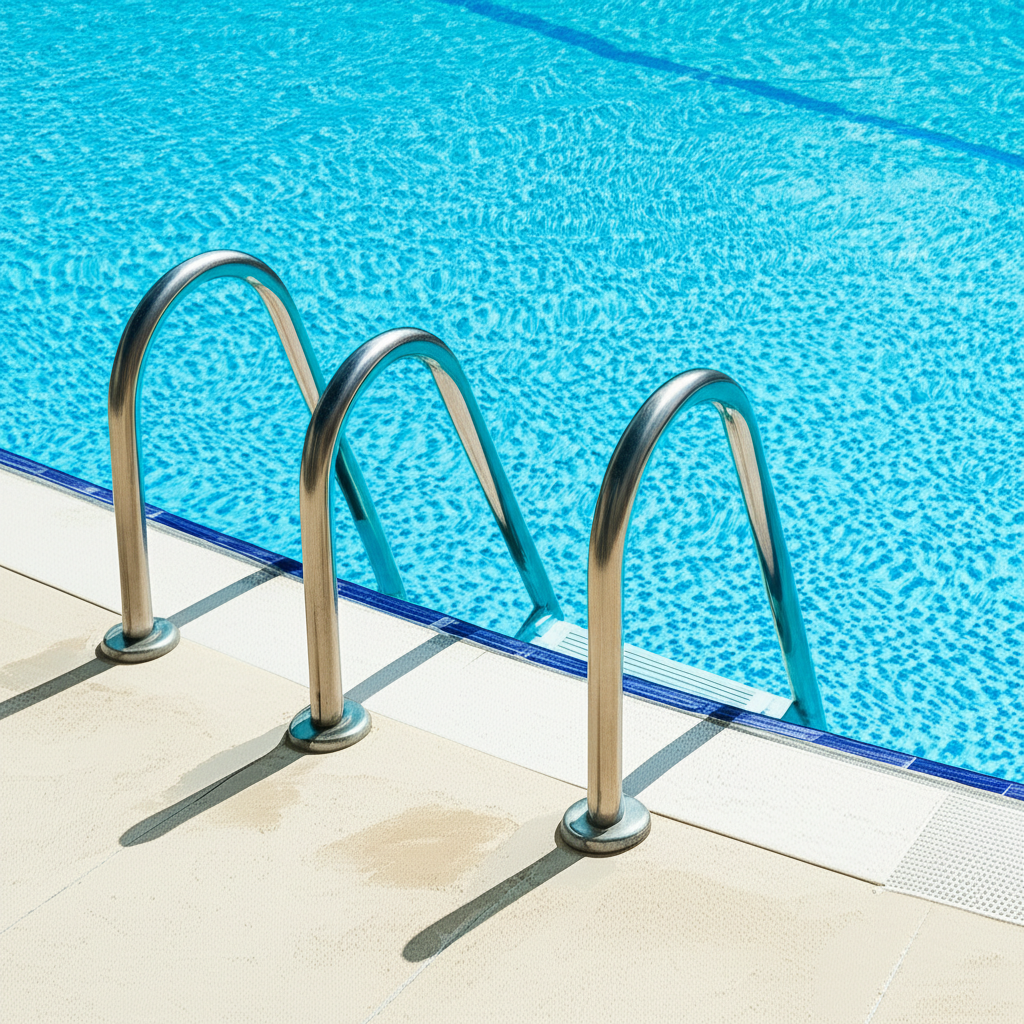
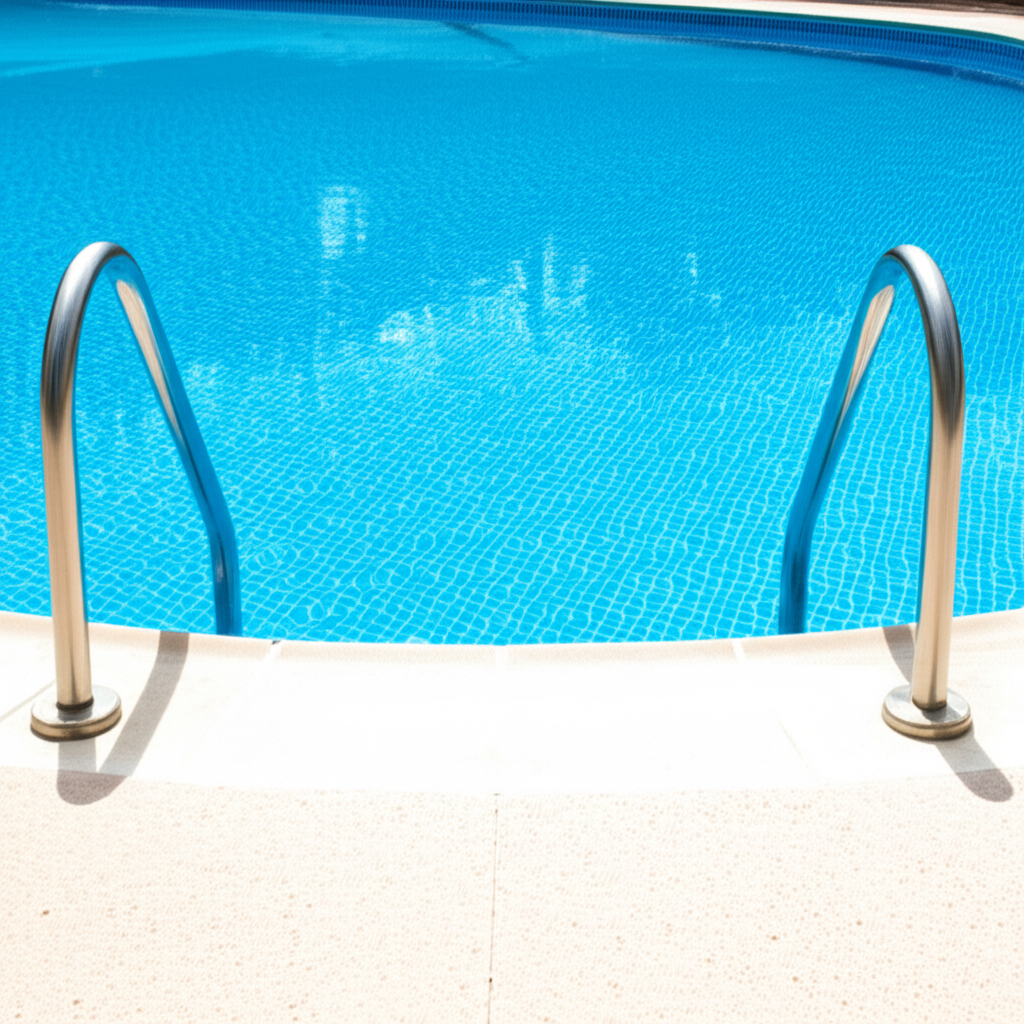
Deck-Mounted Ladders: These are the most common for in-ground pools, featuring two handrails that arch over the pool edge and anchor into the deck, with steps descending into the water. They are available in various step counts and widths.
Wedding Cake Steps/In-Pool Steps: While not traditional ladders, these wide, often curved in-pool steps offer a very gradual and comfortable entry, resembling a set of permanent stairs. Many pool owners opt for these in conjunction with or instead of a traditional ladder for maximum comfort and accessibility.
Corner Ladders: Designed to fit snugly into a corner of an in-ground pool, maximizing swimming space.
Above-Ground Pool Ladders
These ladders are specifically designed for pools that sit above ground level, with unique considerations for stability and dual-sided access.
A-Frame Ladders: The most popular choice for above-ground pools, these ladders straddle the pool wall, with steps leading both into the pool and onto the surrounding deck or ground. They are typically made from heavy-duty resin or coated steel, often feature safety barriers to deter underwater swimming, and some models include a lockable gate or flip-up exterior steps for added security against unauthorized access.
Convertible Ladders: Some above-ground ladders can be converted into an entry system compatible with a deck, offering versatility for pools with varying setups.
Staircase Entry Systems: Similar to in-ground pool steps, these wider, more gradual entry systems provide a very stable and comfortable entry for above-ground pools, often incorporating storage or seating.
Features for Effortless In-Pool Entry and Exit
Beyond the basic structure, specific features define how effortless and safe a pool ladder truly is.
Non-Slip Treads: Essential for preventing slips, treads made from textured materials or featuring grit surfaces provide crucial traction, even when wet.
Ergonomic Handrails: Well-placed, sturdy handrails are vital for balance and support, especially for individuals with limited mobility. The diameter and shape should allow for a comfortable and secure grip.
Wide Steps: Wider and deeper steps offer more foot placement area, making ascent and descent feel more natural and less precarious. This is especially beneficial for children and those who may struggle with narrower treads.
Stable Anchoring: Proper installation with robust anchor points is critical. For in-ground ladders, flush-mounted anchor sockets ensure a sleek look and firm hold. Above-ground ladders rely on sturdy bases and sometimes weigh-down systems to prevent tipping.
Corrosion-Resistant Materials: Exposure to chlorinated water and sunlight demands materials like marine-grade stainless steel, UV-resistant resin, or powder-coated aluminum to prevent rust, fading, and degradation.
Choosing the Right Ladder for Your Pool
Selecting the ideal ladder involves considering several factors specific to your pool and its users.
1. Pool Type: Is it an in-ground or above-ground pool? This is the primary determinant of compatible ladder types.
2. Deck Configuration: Do you have a surrounding deck? For above-ground pools, an A-frame ladder suits those without a deck, while a deck-to-pool ladder is perfect where a deck is present.
3. User Demographics: If children, elderly individuals, or those with physical limitations will be using the pool frequently, prioritize wide in-pool steps, robust handrails, and exceptional stability.
4. Material and Durability: Consider the climate, pool chemicals, and expected usage. Stainless steel offers longevity and strength, while resin is often cooler to the touch and resistant to corrosion.
5. Safety Features: Look for features like flip-up steps, lockable gates, or safety barriers for above-ground ladders if child safety is a concern.
6. Installation Requirements: Some ladders require professional installation, while others are homeowner-friendly. Always ensure the chosen ladder meets your pool’s depth and wall height specifications.
Maintaining Your Pool Ladder for Longevity and Safety
Even the most robust ladder requires routine care to maintain its safety and aesthetic appeal.
Regular Cleaning: Periodically clean your ladder with mild soap and water to remove scale, algae, and chemical residues. For stainless steel, specialized cleaners can remove rust spots and restore shine.
Inspect for Wear and Tear: Regularly check all bolts, screws, and anchoring points for tightness. Look for cracks in resin, bends in metal, or excessive wear on non-slip treads. Replace worn or damaged components promptly.
Winterization: If you close your pool for winter, remove and properly store your ladder according to the manufacturer’s instructions. This protects it from freezing temperatures and harsh winter weather.
* Weight Capacity: Be aware of the ladder’s maximum weight capacity and ensure it is not exceeded.
Beyond Ladders: Other Pool Entry Solutions
While ladders are crucial, other pool entry options exist that complement or replace them. Built-in in-pool steps are common in many modern in-ground pools, offering a natural stair-like entry. These can be wide, sweeping “Roman” steps or integrated corner steps. For accessibility needs, portable pool lifts are available to transfer individuals from a wheelchair directly into the water. Understanding these alternatives helps in creating a comprehensive and accessible pool environment, with ladders often serving as vital secondary or primary entry/exit points where built-in features are absent.
Conclusion
The pursuit of a safe and enjoyable swimming experience begins with the fundamental elements of pool entry. Far from a mere afterthought, pool ladders are critical components that bridge the gap between relaxation and accessibility. By thoughtfully selecting a ladder that suits your pool type, user needs, and safety priorities, you’re not just buying an accessory; you’re investing in peace of mind, effortless transitions, and countless hours of worry-free enjoyment in your backyard oasis. Always prioritize quality, stability, and proper installation to ensure your pool ladder remains a reliable gateway to aquatic fun for years to come.