Solar Pool Heaters: Ultimate, Effortless Warmth
May 26, 2026
Automatic Pool Covers: Stunning & Effortless
May 29, 2026

- Understanding the Magic of Electric Heat Pumps
- Why Pool Heat Pumps Are a Must-Have
- Are Pool Heat Pumps Truly Affordable Electric Pool Heating?
- Choosing and Maintaining Your Pool Heat Pump
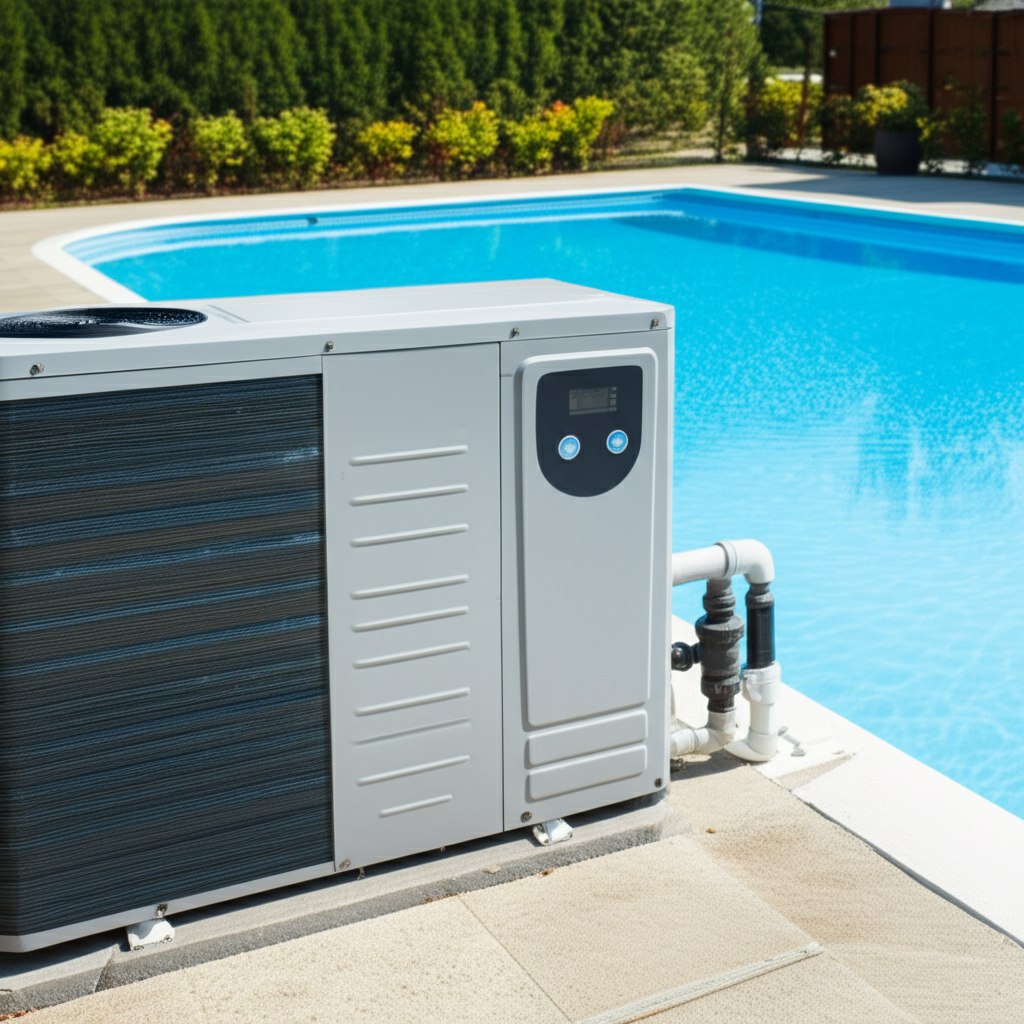
Pool Heat Pumps: The dream of swimming in comfortably warm water, even when the air outside has a crisp chill, is no longer a luxury reserved for those with sky-high energy bills. Thanks to revolutionary advancements in heating technology, these efficient devices have democratized the extended swim season, making invitingly warm pools an accessible reality for many homeowners. Far from being energy hogs, modern pool heat pumps are a wise investment for anyone looking to maximize their pool’s enjoyment without breaking the bank.
Understanding the Magic of Electric Heat Pumps
At its core, a pool heat pump operates remarkably similarly to an air conditioner, but in reverse. Instead of removing heat from your home and expelling it outside, an electric heat pump extracts warmth from the surrounding ambient air and transfers it directly into your pool water. This process is incredibly efficient because it doesn’t generate heat itself through burning fuel or electrical resistance. It simply moves existing heat from one place to another.
Here’s a simplified breakdown of how it works:
1. Fan draws in air: A fan pulls outdoor air across an evaporator coil.
2. Refrigerant absorbs heat: A liquid refrigerant inside the coil absorbs the heat from the air, turning into a gas.
3. Compressor amplifies heat: The gaseous refrigerant then passes through a compressor, which increases its temperature and pressure.
4. Heat transfer to water: The hot gas moves through a condenser coil, where it transfers its heat to the colder pool water circulating through the unit.
5. Refrigerant cools and repeats: As the refrigerant loses its heat, it condenses back into a liquid, passes through an expansion valve, and cycles back to the evaporator coil to begin the process anew.
This ingenious method means that for every unit of electricity consumed to run the fan and compressor, a pool heat pump can deliver multiple units of heat to your pool, resulting in exceptional energy efficiency.
Why Pool Heat Pumps Are a Must-Have
Considering adding a heating solution to your pool? A pool heat pump offers a compelling array of benefits that make it a standout choice for effective pool heating:
Extended Swim Season: This is arguably the most significant advantage. A heat pump allows you to open your pool earlier in the spring and keep it comfortable well into the fall, sometimes even year-round depending on your climate. Imagine enjoying a warm dip in October or taking that first plunge in April, long before summer officially arrives.
Unparalleled Energy Efficiency: Unlike gas heaters that burn fuel or electric resistance heaters that convert electricity directly into heat, heat pumps operate with a Coefficient of Performance (COP) generally ranging from 5 to 7. This means for every $1 of electricity used, you get $5 to $7 worth of heat transferred to your pool. This translates into significant operational cost savings over time.
Eco-Friendly Operation: By efficiently utilizing ambient heat, an electric heat pump reduces reliance on fossil fuels, leading to a smaller carbon footprint compared to gas alternatives. It’s a greener choice for environmentally conscious homeowners.
Quiet Performance: Modern pool heat pumps are designed for quiet operation, ensuring your poolside relaxation isn’t disturbed by noisy machinery.
Durability and Longevity: Built to withstand outdoor conditions, these units are robust and durable. With proper maintenance, a quality heat pump can provide reliable warming for 10-15 years or even longer.
Consistent Comfort: Once you set your desired temperature, a heat pump maintains it steadily, ensuring your pool is always ready for a comfortable swim.
Are Pool Heat Pumps Truly Affordable Electric Pool Heating?
The initial investment for a pool heat pump can be higher than a traditional gas heater. However, when evaluating “affordability,” it’s crucial to look beyond the sticker price and consider the total cost of ownership, especially operational costs. This is where pool heat pumps truly shine as an affordable electric pool heating solution.
Consider the monthly utility bills. While a gas heater might heat your pool quickly, its fuel consumption can be substantial, especially with fluctuating gas prices. Electric resistance heaters are consistently the most expensive to operate. A pool heat pump, by contrast, leverages its high efficiency to keep running costs remarkably low. Over the lifespan of the unit, the savings in energy bills often far outweigh the initial purchase price difference, providing an excellent return on investment.
Furthermore, many regions offer incentives or rebates for energy-efficient appliances, including heat pumps, which can further reduce the upfront cost. The long-term savings, coupled with the extended enjoyment of your pool, solidify its position as one of the most cost-effective and desirable heating methods available today.
Choosing and Maintaining Your Pool Heat Pump
When selecting a heat pump, key considerations include:
Sizing: This is crucial. Your pool’s volume, desired temperature, local climate, and wind exposure all play a role. A reputable professional can help you calculate the necessary BTU output.
Coefficient of Performance (COP): Look for a higher COP for better efficiency.
Features: Digital controls, defrost cycles for cooler climates, and robust build materials are all important.
To ensure your investment pays off for years to come, regular maintenance is simple but vital:
Keep it clean: Ensure the area around the unit is free of debris, leaves, and overgrown vegetation to guarantee adequate airflow to the fan and evaporator coil.
Clean coils: Periodically spray down the evaporator coils with a garden hose to remove dirt and dust.
Check often: Annually, have a qualified HVAC or pool professional inspect the unit to ensure all components are functioning optimally.
In conclusion, for those who dream of a longer, more comfortable swim season without guilt over energy consumption or prohibitive costs, pool heat pumps are undoubtedly a must-have. Their blend of cutting-edge efficiency, environmental responsibility, and consistent warming capability presents an undeniable value proposition, firmly establishing them as the smart, affordable choice for modern pool heating.