Rectangle Pool: Stunning Best Shape Trends
May 15, 2026
Smart Pool: Effortless Automated Controls
May 18, 2026
- What Exactly Is a Green Pool? Rethinking the Backyard Oasis
- Key Pillars of Eco-Friendly Pool Design
- Water Conservation Strategies
- Energy Efficiency and Renewable Power
- Sustainable Materials and Construction
- Chemical Reduction and Natural Alternatives
- Designing Your Dream Green Pool: From Concept to Reality
- The Holistic Benefits of a Green Pool
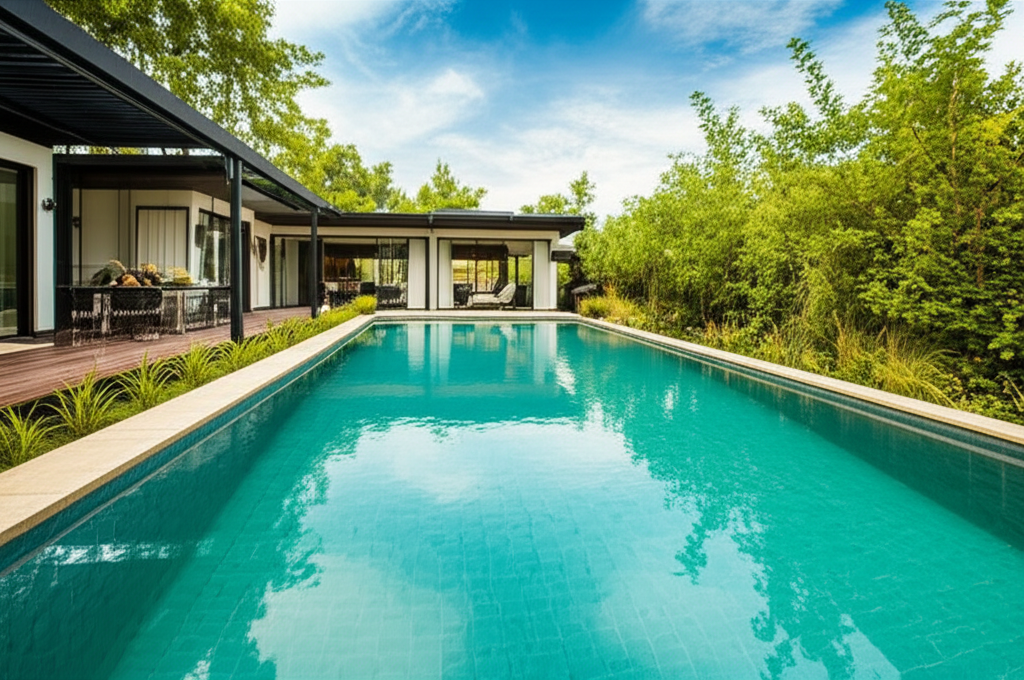
Green Pool design represents a fundamental shift in how we approach backyard aquatic spaces, moving from resource-intensive luxuries to sustainable, environmentally conscious havens. This isn’t just about the color of the water, but rather a holistic philosophy embracing ecological responsibility and innovative design. As environmental awareness grows and homeowners seek to minimize their ecological footprint, the concept of an eco-friendly pool has emerged as a desirable, practical, and beautiful alternative to traditional chlorinated systems.
What Exactly Is a Green Pool? Rethinking the Backyard Oasis
At its core, a green pool is an aquatic feature designed to reduce its environmental impact through various measures: conserving water, minimizing energy consumption, utilizing sustainable materials, and reducing reliance on harsh chemicals. Unlike conventional pools that demand significant energy for pumps and heaters, and a constant regimen of chemical treatments, a green pool strives for balance and efficiency, often mimicking natural ecosystems where possible. It’s about creating a personal oasis that coexists harmoniously with its surroundings, rather than existing as a separate, demanding entity.
Key Pillars of Eco-Friendly Pool Design
Achieving a truly green pool involves integrating several key design and technological principles. Each element contributes to a more sustainable, healthier, and often more aesthetically pleasing swimming experience.
Water Conservation Strategies
Water is arguably the most precious resource a pool consumes. Eco-Friendly Pool Design prioritizes conservation through:
Rainwater Harvesting: Integrating systems to collect and filter rainwater for pool use significantly reduces reliance on municipal or well water, especially in regions prone to drought.
Smart Filtration Systems: High-efficiency or variable-speed pumps can significantly reduce water needed for backwashing by running more consistently at lower speeds, improving filtration without excessive water waste. Cartridge filters, which don’t require backwashing, are also excellent choices for water-saving.
Evaporation Reduction: Pool covers, whether automatic or manual, are highly effective at minimizing water loss through evaporation, especially during hot, windy periods. Strategic landscaping with windbreaks and partial shading can also play a role.
Leak Detection and Prevention: Early detection of leaks prevents significant water loss. High-quality construction and regular inspections are crucial.
Energy Efficiency and Renewable Power
The operational energy required for pumps, heaters, and lighting can be substantial. Green pools tackle this head-on:
Variable-Speed Pumps: These are a cornerstone of energy-efficient pool design. Unlike single-speed pumps, they can operate at lower RPMs for most of the day, using a fraction of the electricity.
Solar Heating Systems: Harnessing the sun’s energy is an ideal way to warm pool water, drastically cutting down on electricity or gas consumption. Modern solar collectors are efficient and can be seamlessly integrated into rooflines or dedicated arrays.
Efficient Lighting: LED pool lights consume very little energy, last longer, and offer a wide range of colors to enhance the nighttime ambiance.
Strategic Placement: Orienting the pool to maximize sun exposure for natural warming and minimize exposure to prevailing winds can reduce heating and evaporation needs.
Sustainable Materials and Construction
The materials used in building and surrounding a green pool also matter:
Recycled and Locally Sourced Materials: Decking made from recycled aggregate, composite materials, or sustainably sourced, local stone reduces the carbon footprint.
Natural Plaster Alternatives: Some natural pool designs use bentonite clay liners or specialized membranes instead of traditional concrete and plaster, creating a more organic look and feel.
Responsibly Sourced Timber: For decks or pergolas, choosing FSC-certified wood ensures timber comes from sustainably managed forests.
Chemical Reduction and Natural Alternatives
Perhaps the most defining characteristic of a green pool is its reduced reliance on harsh sanitizing chemicals.
Ozone and UV Sanitization Systems: These advanced systems destroy bacteria, viruses, and other contaminants using ozone or ultraviolet light, significantly reducing the need for chlorine and improving water quality.
Saltwater Chlorination: While still producing chlorine from salt, these systems eliminate the need to store and manually add concentrated chlorine, leading to softer water and a more consistent sanitization level. It’s a step towards chemical reduction, though not entirely chemical-free.
Natural Swimming Pools (NSPs) / Biopools: These are the ultimate expression of a green pool. They use a regeneration zone, essentially a planted wetland filter (often separated from the swimming zone), to naturally filter and purify the water without any chemicals. The result is crystal-clear, living water that’s incredibly soft and gentle on skin and eyes.
Designing Your Dream Green Pool: From Concept to Reality
Implementing a green pool requires thoughtful planning from the outset. Consider the contours of your land, the amount of sunlight it receives, and how the pool will integrate with your existing landscaping. Native, drought-tolerant plants around the pool can reduce water use for irrigation and minimize leaf litter, while also providing natural beauty and habitats. Smart pool automation systems can monitor water quality, energy usage, and even control lighting and heating, optimizing efficiency and simplifying maintenance.
The Holistic Benefits of a Green Pool
Beyond the undeniable environmental advantages, choosing a green pool offers a host of other benefits:
Healthier Swimming: Less exposure to harsh chemicals means better air quality around the pool and less irritation for skin and eyes.
Lower Operating Costs: The initial investment in energy-efficient equipment and renewable solutions often pays for itself over time through significantly reduced utility bills.
Increased Property Value: A beautifully designed, sustainable pool is a unique selling point that appeals to environmentally conscious buyers.
Unique Aesthetic Appeal: Whether a modern solar-heated oasis or a serene natural swimming pond, green pools often boast a distinctive, often more organic and integrated aesthetic.
Embracing the Green Pool philosophy is more than just a trend; it’s a forward-thinking approach to luxury and leisure. It demonstrates a commitment to sustainability without sacrificing comfort or beauty. By integrating smart design choices, advanced technology, and a respect for natural processes, homeowners can create a backyard retreat that is as kind to the planet as it is enjoyable for the family.